Adapt to Survive; Create to Thrive
Reflections on wellbeing for creative professionals and all of us as creative beings
Last time I wrote about creativity, I ended with a reflection on ‘create to thrive’ as a step up from ‘adapt to survive’. I was thinking about the impact of loss of connection and stimuli on our creativity during lockdown. Now that we’re emerging back into collective spaces, with arts venues reopening and shared experiences back on the menu, it seems like a good moment to ponder how we might get to that ‘thriving’ place, with creative juices flowing and means of expression available.
Perhaps it seems frivolous to be focusing on creative expression when so many people around the world are very much in survival mode (whether that’s due to the impact of Covid, climate change, conflict or all of the above). But we’re inherently creative beings, with imaginations capable of dreaming up works of art, nation states, complex stories and solutions to problems – this stuff is fundamental. Having an outlet for our thoughts, feelings, ideas and struggles has a proven impact on our health and wellbeing. I’d advocate for everyone having some form of expression – getting emotions, thoughts, ideas and challenges out of our heads and into the world somehow is a powerful therapeutic tool. It might be through talking, writing, singing, drawing, moving our bodies or making physical objects – the medium isn’t important, but the act of creation is…
Reflections on wellbeing for creative professionals and all of us as creative beings
Last time I wrote about creativity, I ended with a reflection on ‘create to thrive’ as a step up from ‘adapt to survive’. I was thinking about the impact of loss of connection and stimuli on our creativity during lockdown. Now that we’re emerging back into collective spaces, with arts venues reopening and shared experiences back on the menu, it seems like a good moment to ponder how we might get to that ‘thriving’ place, with creative juices flowing and means of expression available.
Perhaps it seems frivolous to be focusing on creative expression when so many people around the world are very much in survival mode (whether that’s due to the impact of Covid, climate change, conflict or all of the above). But we’re inherently creative beings, with imaginations capable of dreaming up works of art, nation states, complex stories and solutions to problems – this stuff is fundamental. Having an outlet for our thoughts, feelings, ideas and struggles has a proven impact on our health and wellbeing. I’d advocate for everyone having some form of expression – getting emotions, thoughts, ideas and challenges out of our heads and into the world somehow is a powerful therapeutic tool. It might be through talking, writing, singing, drawing, moving our bodies or making physical objects – the medium isn’t important, but the act of creation is.
Given the power of these forms of expression, it makes sense for me to argue for access to the arts for all; for supporting the performers and creatives whose livelihoods (and creative outlets) have been decimated by a global pandemic and years of funding cuts by right wing governments; and for us all to view creative expression as an essential aspect of a healthy society. I only have to look at how the reintroduction of visiting musicians to my gran’s nursing home changes the energy of the residents to remember how much we need the arts.
Revisiting my expectations of my energy, creativity and social connections after lockdown, I’m struck by how unrealistic they were. I’d felt for so long like a coiled spring, waiting to be let go so I could bounce into the air, releasing all that pent up energy. The assumption was that I’d be ready to leap into action, connecting with as many people as I could, and suddenly finding myself able to create again – writing, singing, dreaming up exciting new projects. In reality, I’ve started see people, jam with my band and attend events in person as much as I can, but I mostly don’t feel inspired and exuberant so much as a bit tired. The fog is lifting, and my creative energy is gradually reigniting, but it’s a slow burn, rather than a big bang. I wonder how many people are feeling the same way right now, and in particular, how all those who make art or perform for a living are faring as the need to produce to deadlines and fill up the performance calendar reappears. I wonder what support creatives might need in order to get fully in touch with their most inspired, energetic selves and fall in love with their craft again after a hellish year-and-a-half. Community, advocating for more health-promoting working practices, and offering accessible help to those who are struggling seem like good considerations to start with. Our creative industries need their workforce to be well, and there is much to be done in order to address some of the less healthy working practices and dynamics at play within them. For those of us who aren’t directly connected with these industries, there are many ways to support the makers of the various forms of art that enhance our lives. We can buy from local artists, musicians and makers, attend performances (whether live or virtual), amplify, share and credit the work of artists we come across… and we can be mindful that, in spite of the old adage ‘choose a job you love and you’ll never work a day in your life’, creating art and performing is harder work than it might seem.
For all of us, whether or not we consider ourselves ‘creative’, there are many ways to support our own wellbeing through creative expression. For me, creativity and connection are inextricably linked – I find that connecting with others, with nature and with my own mind and body helps to put me in the right headspace for creating and coming up with new ideas. After a retreat where I’ve spent a few days breathing, walking through fields and woods and connecting with others, I’ll often sit in the garden and find songs, stories, blog posts and ideas for projects seeming to just appear on the page of my notebook before my conscious mind has a chance to start asking questions. Everyone will have a different creative process that works best for them – if you don’t yet know what that looks like for you, I’d suggest a few small practices to get your senses and imagination going… Carry a notebook and jot down any fleeting thoughts, ideas, observations as they arise. Go for a walk out in nature and pay attention to the colours, sounds, smells, shapes. Sing in the shower. Sit down and write for five minutes without stopping. Doodle while watching TV and build on the doodle until you’ve filled a page. The beauty of this is that you don’t have to be ‘good at’ any of these things for them to be of benefit. Expanding your perspective beyond the mundane and routine can help you to feel more optimistic and come up with innovative solutions to problems. That’s why, during this time of re-emerging into the wider world, I’m advocating for all of us to to find ways to ignite a creative spark that will help us to thrive.
By Mo Ford
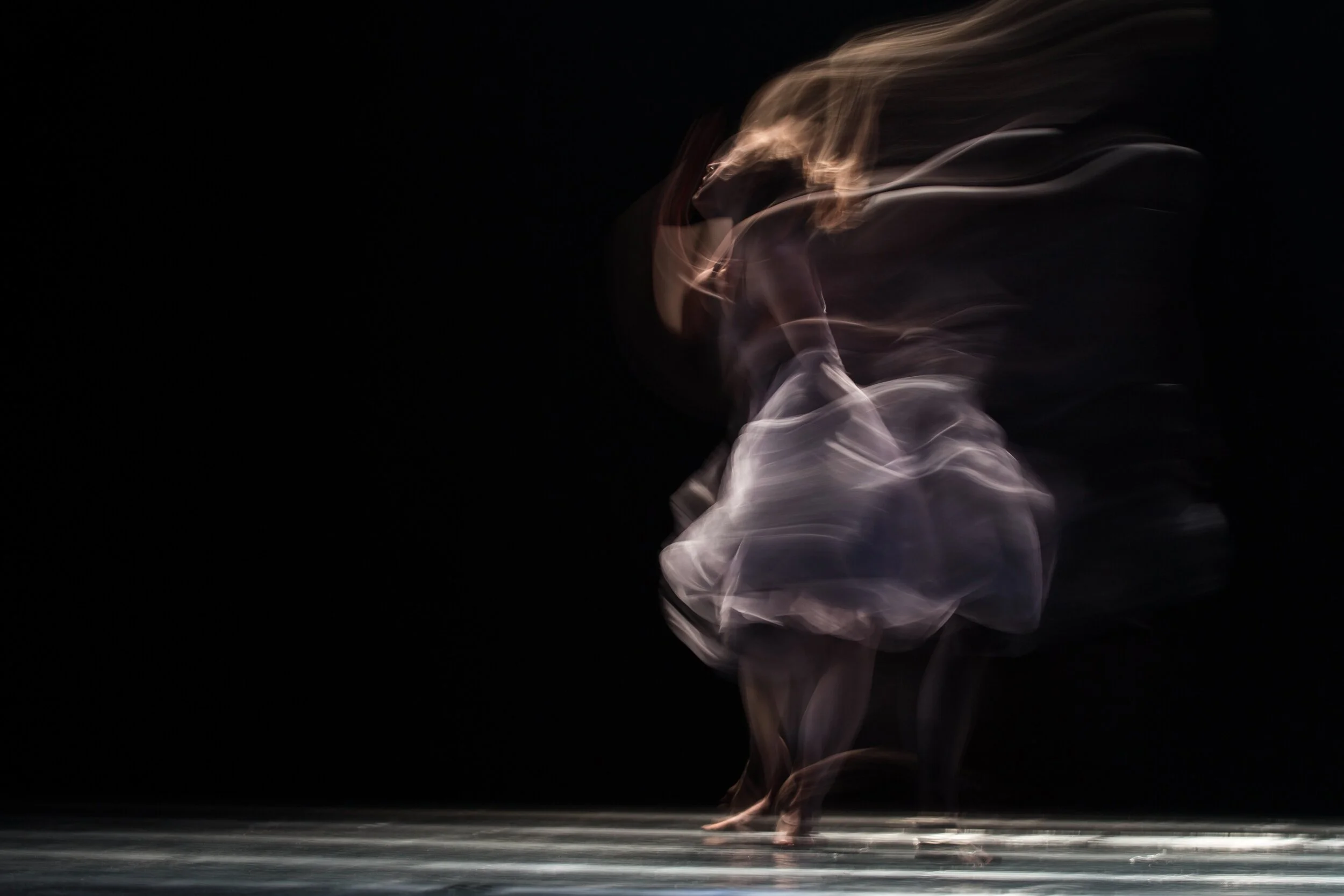
Picture credit: Tim Mossholder via Unsplash.
Performers are not our Property
I don’t think I have anything new to offer on the subject of how artists’ lives can be ruined by an insatiable public thirst for their trauma, but right now, I’m fizzing with thoughts and feelings about it. Lately, op eds and news stories about the ‘Free Britney’ movement have been all over the media. There are so many angles that could be taken on the story, from a bit of salacious gossip, to voyeuristic coverage of a widespread conspiracy theory to an opportunity to examine and hold to account both the performance industries and media coverage of the not-so private lives of those in the public eye.
For the uninitiated who may have intentionally or otherwise missed this media ‘Circus’ (reference intended!), a new documentary covers Britney Spears’ father’s Conservatorship, which allows him control over her life and finances, as well as outlining the misogynistic and invasive harassment from all corners of the media at the height of her fame. This will likely come as no surprise to any of us – whether we actively follow pop culture, read tabloids or watch talk shows, I’m in no doubt that we’ve all seen how performers, and especially women and other ‘minorities’, are publicly treated. This is old news. Watching the documentary fired me up and reminded me of how devastated I was when I watched the posthumous Amy Winehouse documentary. And all of this reminds me of why I’ve made some of the decisions that I have.
Performers are often a little emotionally vulnerable. There’s a fragility about putting ourselves out there to the world, asking for attention, for people to relate to us, for judgement. Research* somewhat unsurprisingly shows that performers tend to have a strong drive to please others, and that eating disorders and alcohol/substance use issues are common. People who feel things unusually deeply and intensely often make the best singers, songwriters, actors and dancers because they become adept at channelling their joy, fear and pain into their artform and communicating it to an audience. Mix that with behemoth industries such as huge record labels and the tabloid press, and we have a perfect storm. Performers help us all to process our own feelings when we can’t, and to shake loose our own self-expression by sharing theirs. That in itself strikes me as something pure and just so essentially human. But the grubbier parts of our humanity that are never satisfied complicate things. These industries arguably exist to ‘give the people what they want’, and we apparently want more gossip, more albums released, just more of everything.
I’m not sure when I first consciously became aware of this. I’ve been performing all my life – since I was a tiny only-child in a sea of adults happy to indulge my nonsense, I would march into rooms, announcing that it was time for me to put on a show. Like a lot of kids, at a very young age I had vague ambitions of fame – I wanted to be like Cher and I made sure my entire street knew it when I sang into my hairbrush for them all to hear for the millionth time. My family and I fought tooth and nail for financial support to get me into a specialist music school. It took at least three years for the money to appear, only for me to walk out in a silent ‘diva strop’ around eighteen months later because I’d disagreed with the Director’s suggestions about my career plans. I knew, aged sixteen, that finishing formal musical education at that time wasn’t for me. I knew that even on the relatively small platforms of concert halls and opera houses that it was brutal out there. I still have huge respect for the friends who pursued this path and found it was the right one for them. But I knew it would be tough because I’d suffered horribly from performance anxiety (it didn’t have a name back then - I was just not good enough at controlling my nerves). And because I’d done competitions where equal weighting was given to my performance and how my outfit ‘flattered my (sixteen-year-old) figure’. And because I’d seen barely adolescent musician friends reduced to tears after being publicly humiliated by Directors with an ‘artistic temperament’. The often too-personal criticism and competition for work can encourage some pretty difficult relationships among peers – and for young people just finding their feet in the world, extra judgement and jostling for position doesn't seem healthy. I hope things have improved since I was that age - it seems some things have, while other issues stubbornly persist. I mention all of this because I changed my career plans from aspiring classically trained singer towards offering young people the support I’d needed – eventually, I learned how to support developing performers to feel safe, to self-advocate and to express themselves wholeheartedly. When I hear about what’s happened to artists like Amy Winehouse or Britney Spears, part of me hopes that I’ll be able to support a young person in a way that equips them with the tools to fight back, should they happen to land in the spotlight (or in fact, their local drama group with its charismatic, yet vaguely inappropriate Director).
It’s often struck me that the world of performance can lag behind other parts of society in terms of acceptable ways to interact with people and uphold their rights. Part of this seems to be about the idea that artistic success, fame or regular work as a performer are so desirable and scarce that every hopeful is ‘expendable’. The ‘Me Too’ movement shone a huge light on the abuse that takes place when this concept is allowed to take root in an already misogynistic world. The tired, abusive old adage is essentially, ‘if you won’t put up with this, there are a million younger, prettier girls who will and you’ll never work again’. (And of course, it’s not only women who are affected by this, but misogyny is a huge part of the picture). Greater numbers of people are starting to say no, to go public about this, to fight back. I’m encouraged to see young women artists taking back control of the music they release after horrific experiences with producers and record labels. Of course, the burden should not be on the survivor/victim of abuse to make these changes – we must all hold those in power to account. As ‘the public’, we are the ones being sold the idea that performers belong to us. It’s at least in part down to us to push back on this notion by voting with our feet or our wallets.
Some will say that this is the life performers have chosen and that they should be grateful for their success and graceful towards their detractors. Whether or not you’re particularly sympathetic towards pop singers, actors and the like, this stuff matters. It matters because it’s a barometer of how human lives are measured and valued. There's a disturbing paradox in how disposable and forgettable well-known performers can be seen to be by those with career making and breaking power, and yet how the paparazzi and the court of public opinion may decree that they also have no right to be forgotten or afforded any privacy. If we can objectify the people we demand to be entertained by, who help us to feel our own feelings, isn’t it possible that society is capable of doing this to all of us? And I have to mention the hit that’s been taken by the arts as a result of the pandemic plus (in the U.K at least) brutal funding cuts. Rest assured, it’s not going to be the big shot producers, company directors or media bosses bearing the brunt. So this is my plea for us all to support our local – and global – artists, remember that performers are people and speak up against abuse.
*E.g. Borland, 2011, ‘The Singer’s Psyche’.